.webp)
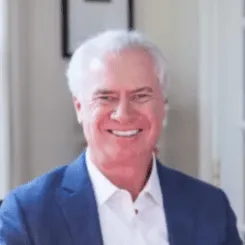
What does it take for a new organization to succeed? After launching numerous companies, Les McKeown began to identify some common patterns that new ventures all seemed to go through, releasing his findings in his book, <i>Predictable Success: Getting Your Organization on the Growth Track—and Keeping it There</i>. He recently sat down with the GLN’s own David Ashcraft to go deeper into the six stages in the lifecycle of an organization, and how leaders can respond in each of them. This is the first part of a two-part episode.
SUMMARY
What does it take for a new organization to succeed? After launching numerous companies, Les McKeown began to identify some common patterns that new ventures all seemed to go through, releasing his findings in his book, Predictable Success: Getting Your Organization on the Growth Track—and Keeping it There. He recently sat down with the GLN’s own David Ashcraft to go deeper into the six stages in the lifecycle of an organization, and how leaders can respond in each of them. This is the first part of a two-part episode.
IN THIS EPISODE
0:00 Intro.
04:30 Les’ background and how he arrived at the “Predictable Success” model.
10:15 The 30-second, “elevator pitch” to describe Predictable Success.
11:35 Diving into the model: “Early Struggle,” “Fun” and “White Water.”
27:45 Outro
LISTEN
Apple Podcasts | Spotify | YouTube
STANDOUTS AND TAKEAWAYS
- Predictable Success is essentially a roadmap for any group of people who want to achieve common goals.
- There are six stages in the lifecycle of most organizations (1) Early Struggle; (2) Fun; (3) White Water; and (4) Predictable Success; (5) The Big Rut; and (6) The Death Rattle.
- An average 80% of all new ventures fail, and that number goes higher in times of both recession and growth.
- There are two key reasons while new businesses fail: (1) They are stared by people who don’t have the DNA to do it, and (2) People significantly underestimate what it takes to make a new business succeed.
- New entrepreneurs regularly underestimate the amount of time, money and passion that it will take to establish a new venture.
- While a business is operating in the “Fun” zone, complexity is simultaneously rising until people wake up and realize that the organization is saying “Yes” to everything and is doing too much.
- Every time you say, “Yes” you are adding another level of complexity and inhibiting your ability to deliver.
- When an organization reaches “White Water,” leaders must decide whether they want to go back to “Fun” or break through to “Predictable Success.”
- To get out of White Water, an organization needs to establish systems and processes, and to adhere to them.
- Leaders start new things out of a desire for freedom and autonomy, so systems and processes often feel confining to entrepreneurs. What is required is a change in leadership style.
- Staying in “Fun” will, by definition, limit your ability to grow. However it’s also where the “legends” of the organization are established.
- “Heroic Leadership” drives growth during “Fun.”
LINKS MENTIONED
- Book: Predictable Success: Getting Your Organization on the Growth Track—and Keeping It There (Amazon.com)
- Website: Predictable Success
- Website: Team365
- Website: Global Leadership Summit 2025
- Website: Global Leadership Network
Related
Ep 211: On Calling, Counsel and Courageous No's
In this episode of the Global Leadership Podcast, GLN President and CEO David Ashcraft talks with Priscilla Shirer about how leaders discern what is truly theirs to carry. Priscilla shares practical wisdom on calling, wise counsel, humility, accountability, and learning to say yes or no from a place of clarity rather than fear or guilt.
Ep 210: What Leaders Miss About Motivation, Purpose and Progress
In this episode, GLN President and CEO David Ashcraft talks with Chris McChesney, author of The 4 Disciplines of Execution, about the difference between employee satisfaction and true engagement. Chris explains why people can have what looks like an ideal job and still feel disconnected from the work, while others can serve in demanding environments and remain deeply motivated. The difference often comes down to progress and purpose.
Ep 209: Communication, Candor and Trust
In this episode, Whitney Putnam and GLN President and CEO David Ashcraft talk about one of the most common leadership challenges: how to communicate with clarity, candor and care when the stakes are high. They unpack a real moment from a recent GLN all-staff meeting, where a public challenge created tension, required follow-up and ultimately helped sharpen strategy. Whitney and David explore why leaders often think they are being clear when others are hearing something different, how trust makes hard conversations possible, and why “keeping short accounts” can prevent tension from becoming toxic.
Leadership That Lasts
Team365 isn’t just a platform. It’s a commitment to grow, lead and live with purpose — every single day. Whether you’re here for content, community or clarity, you’re in the right place. Your leadership matters. Let’s keep going.